
Covid and the Whooping Crane
After the first week of lockdown, I began to notice more deer roaming the streets around home than usual. Maybe the decrease in human activity was putting the critters at ease. While nature encroached into the man-made world, I saw an opportunity to engage more with the natural one and to hone my skills as a wildlife photographer. With my newly acquired camera and super telephoto lens, I headed into the woods and started experimenting. One of my first subjects was a white-breasted nuthatch with an acorn. While taking the shot, I had no idea what species it was, or that it had an acorn in its beak. It was only after reviewing the shot that I realized what I had captured, and I have been hooked ever since. I could even make out its tongue, which I never anticipated. It was a whole new perspective on a hidden and beautiful world.
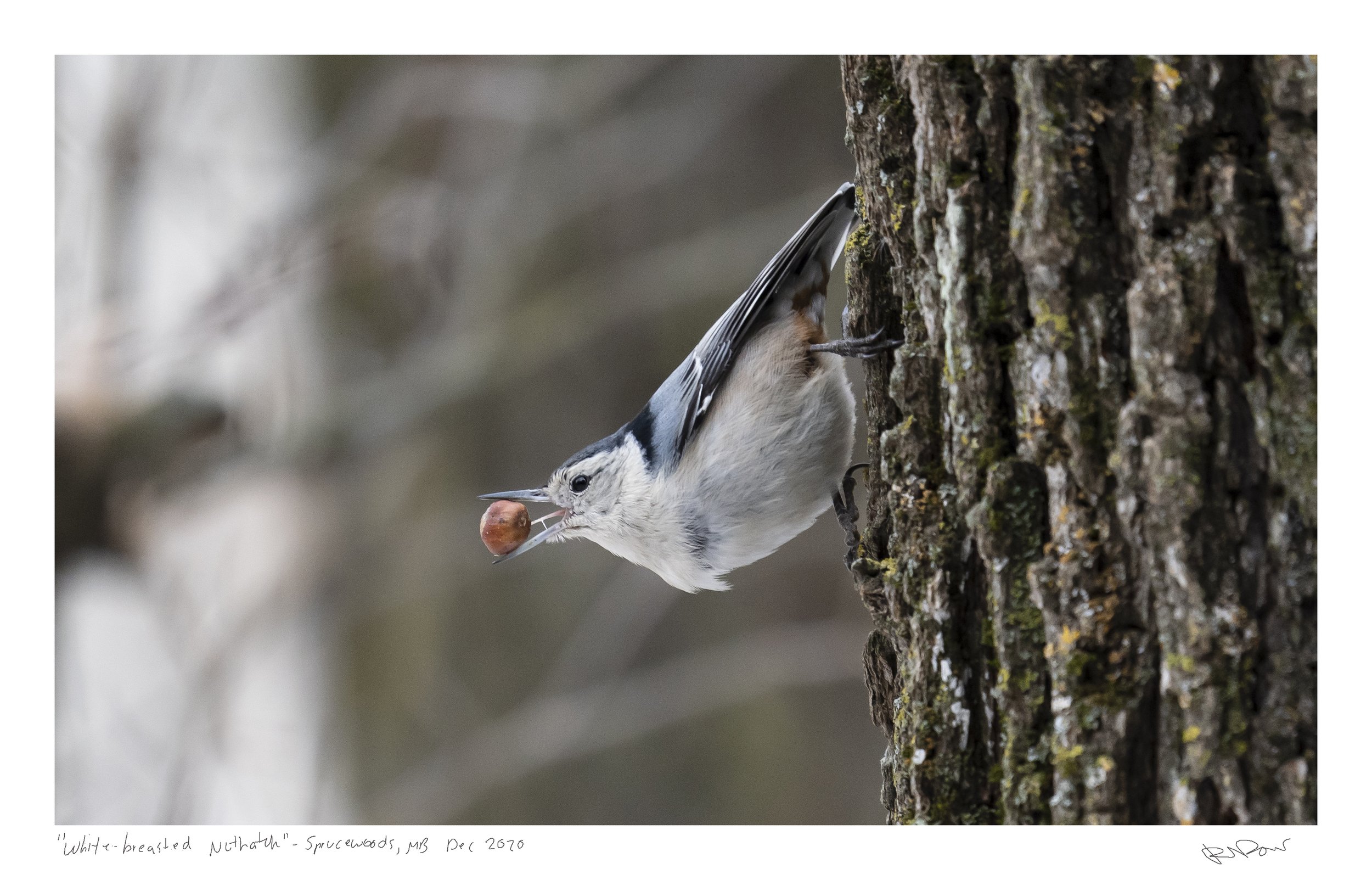
White-breasted nuthatch
As restrictions started lifting, I hopped on a plane to visit my dad on Vancouver Island, where we explored and camped. Witnessing 800-plus-year-old Douglas firs, a black bear beachcombing in Pacific Rim National Park at the crack of dawn, a pod of orcas, and a group of Steller sea lions with Mount Baker in the background were just some of the highlights.
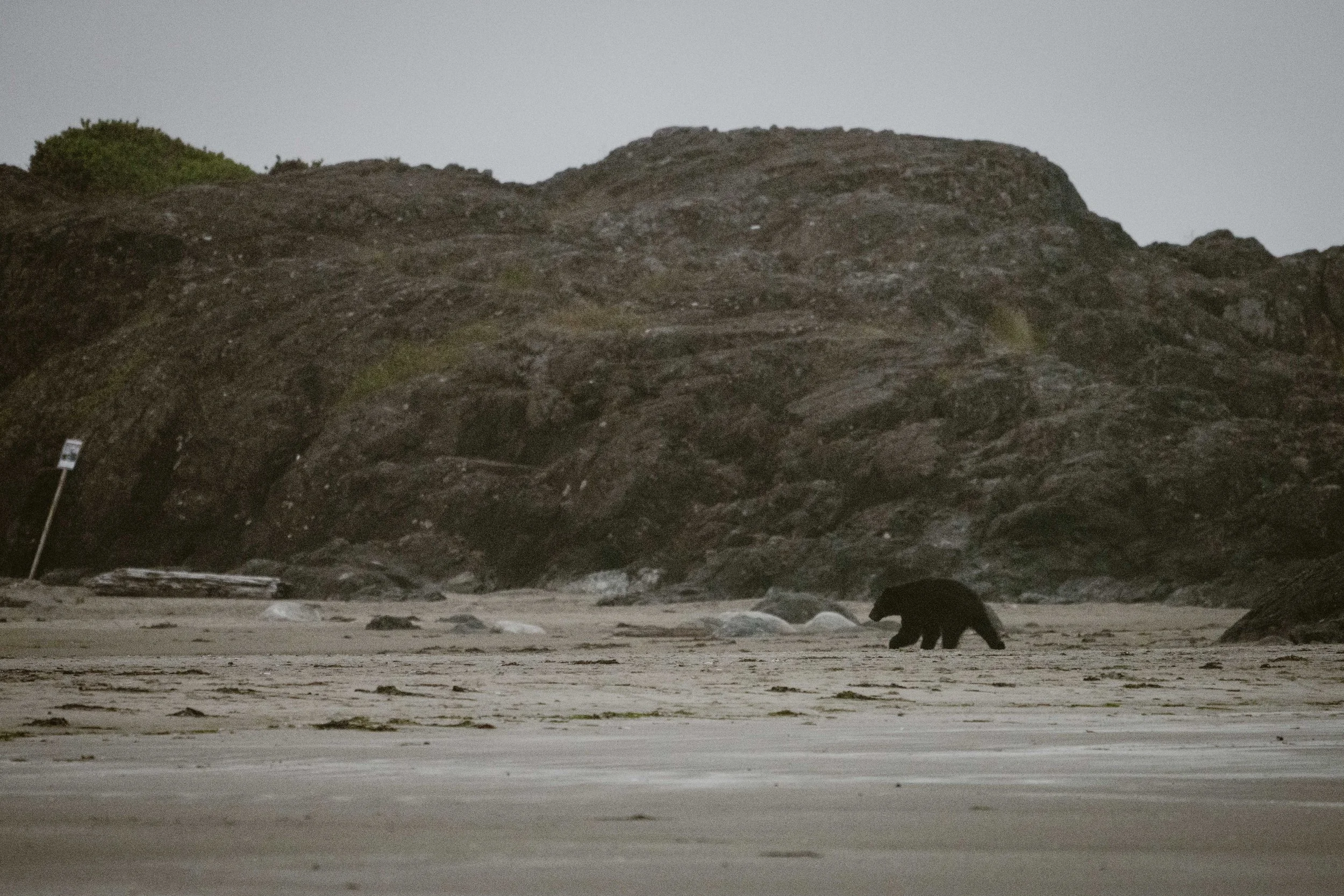
Black bear beachcombing in Pacific Rim National Park
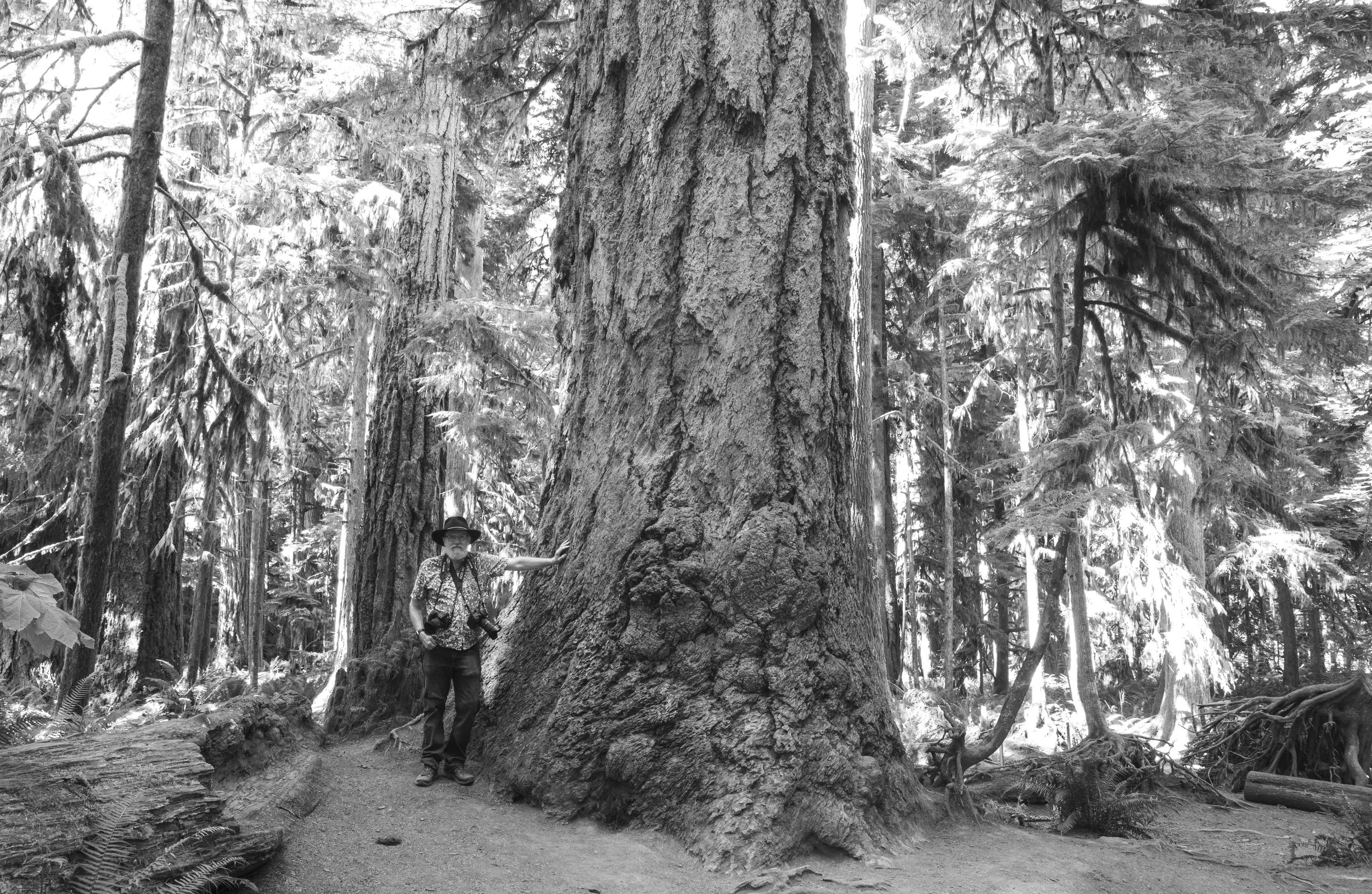
Dad next to a giant Douglas fir in Cathedral Grove
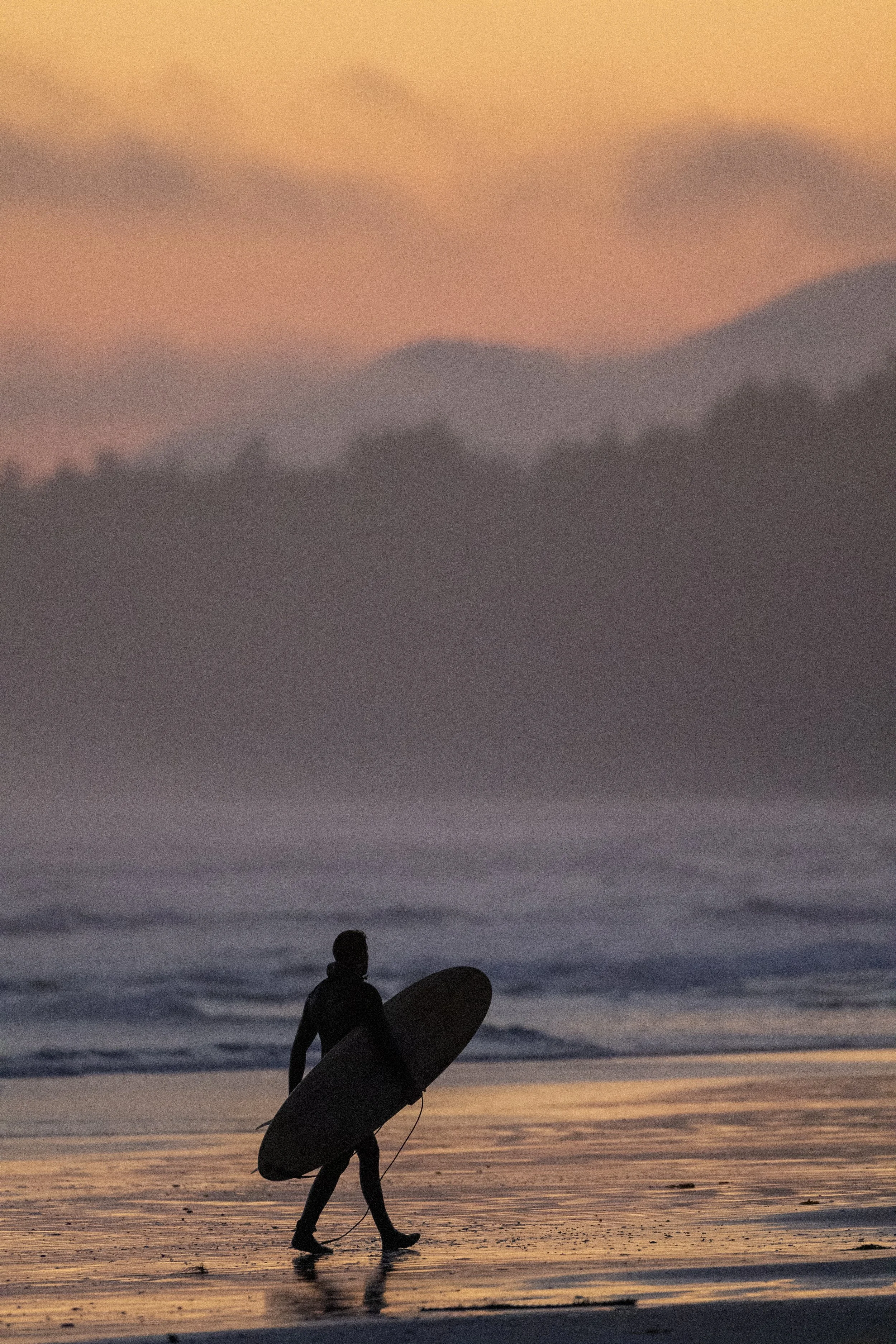
Surfer on Long Beach

Skateboarder in Tofino

Surfer at Long Beach
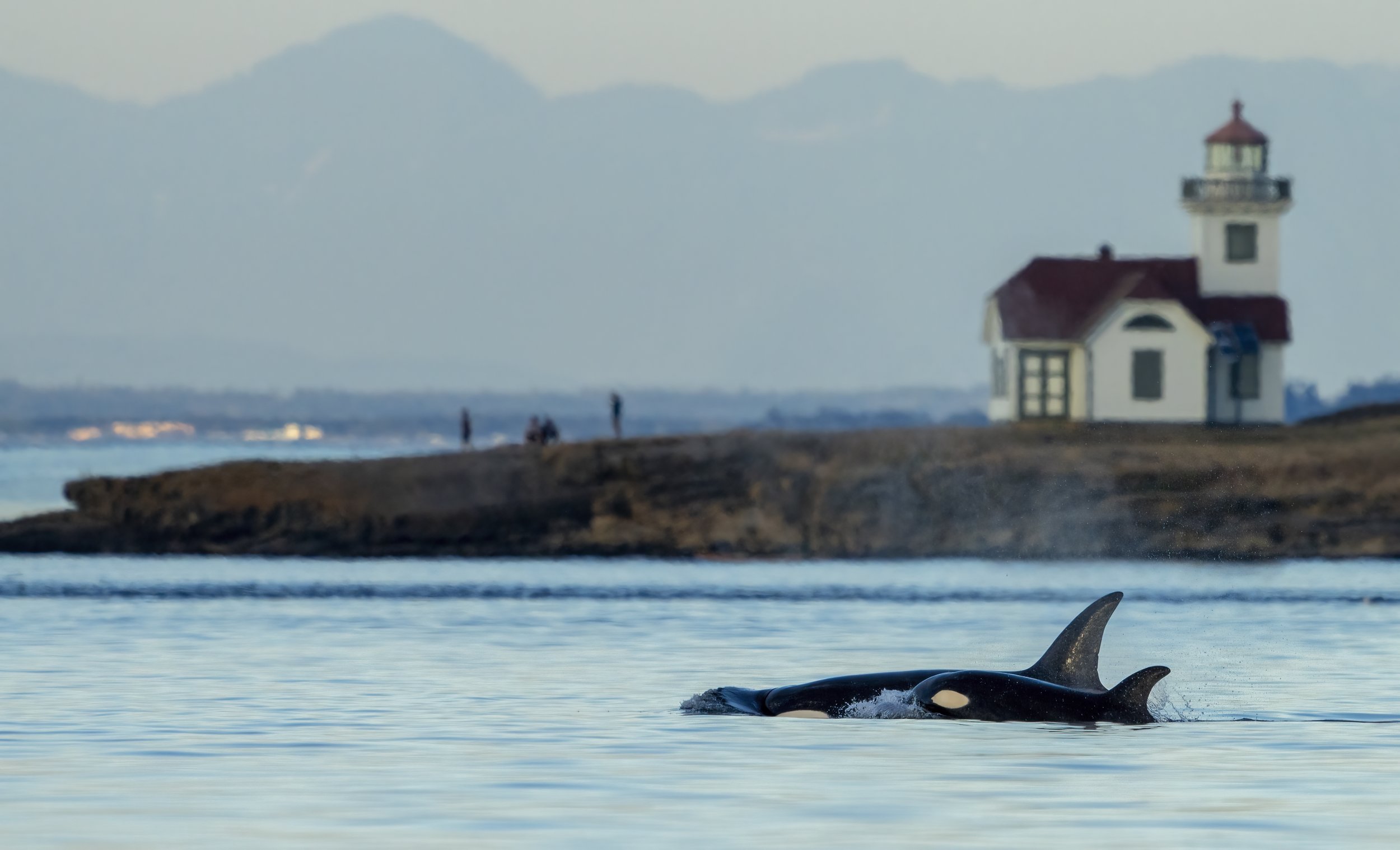
Orca off the coast of Vancouver Island
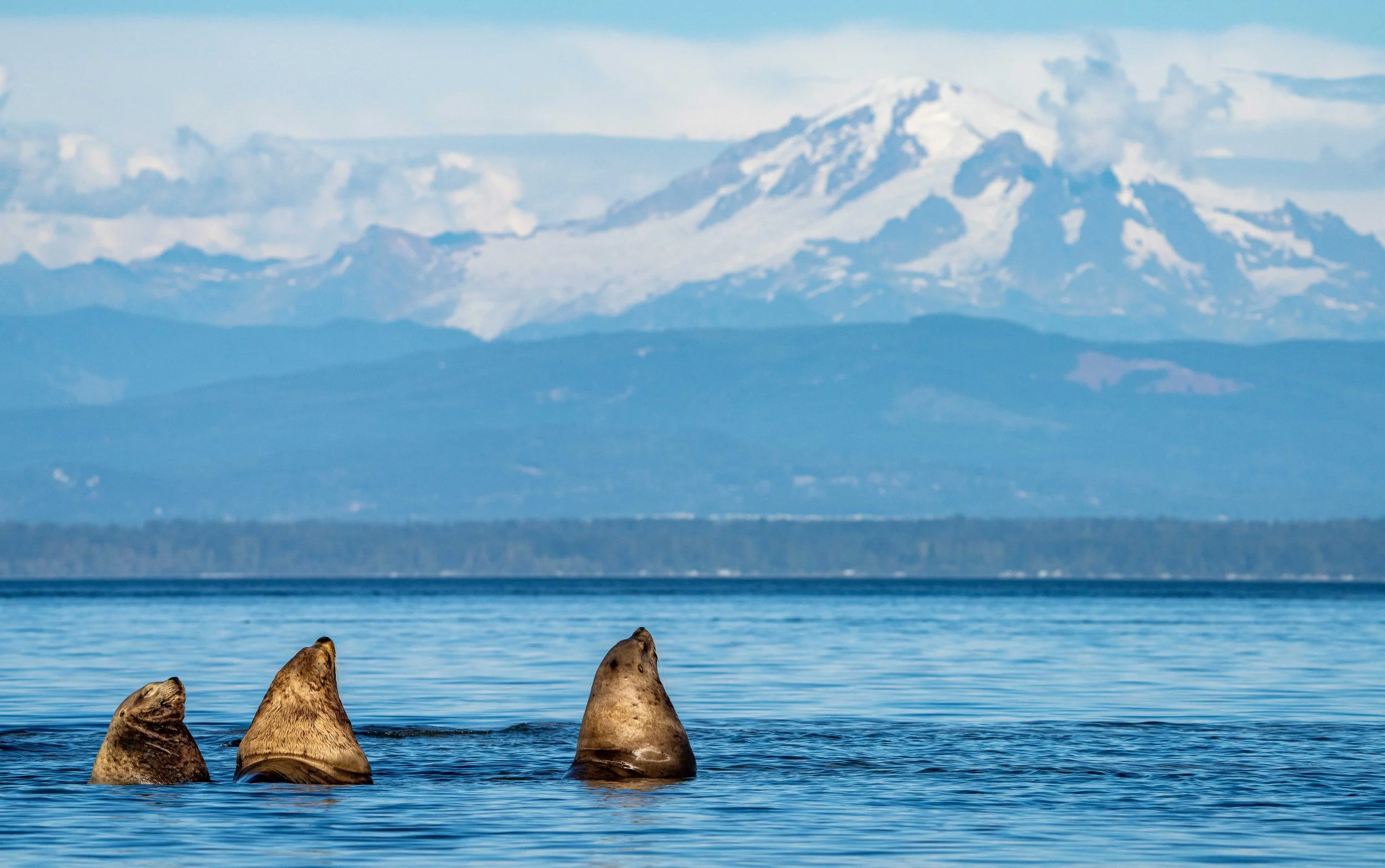
Stellar sea lions with Mount Baker in the background
Prior to boarding the whale-watching charter in Cowichan Bay, I noticed an ornithological poster in the gift shop featuring a whooping crane. I wasn't familiar with the species at the time. Intrigued mostly by its name, I did a bit of research and was amazed to learn that the population only numbered 21 in the 1940s. Native to North America and standing at 5 feet tall, it is the region’s tallest bird. They follow a particular migratory path between Wood Buffalo National Park in the Northwest Territories and the Texas Gulf Coast. Although the population has rebounded thanks to conservation efforts, they remain endangered.
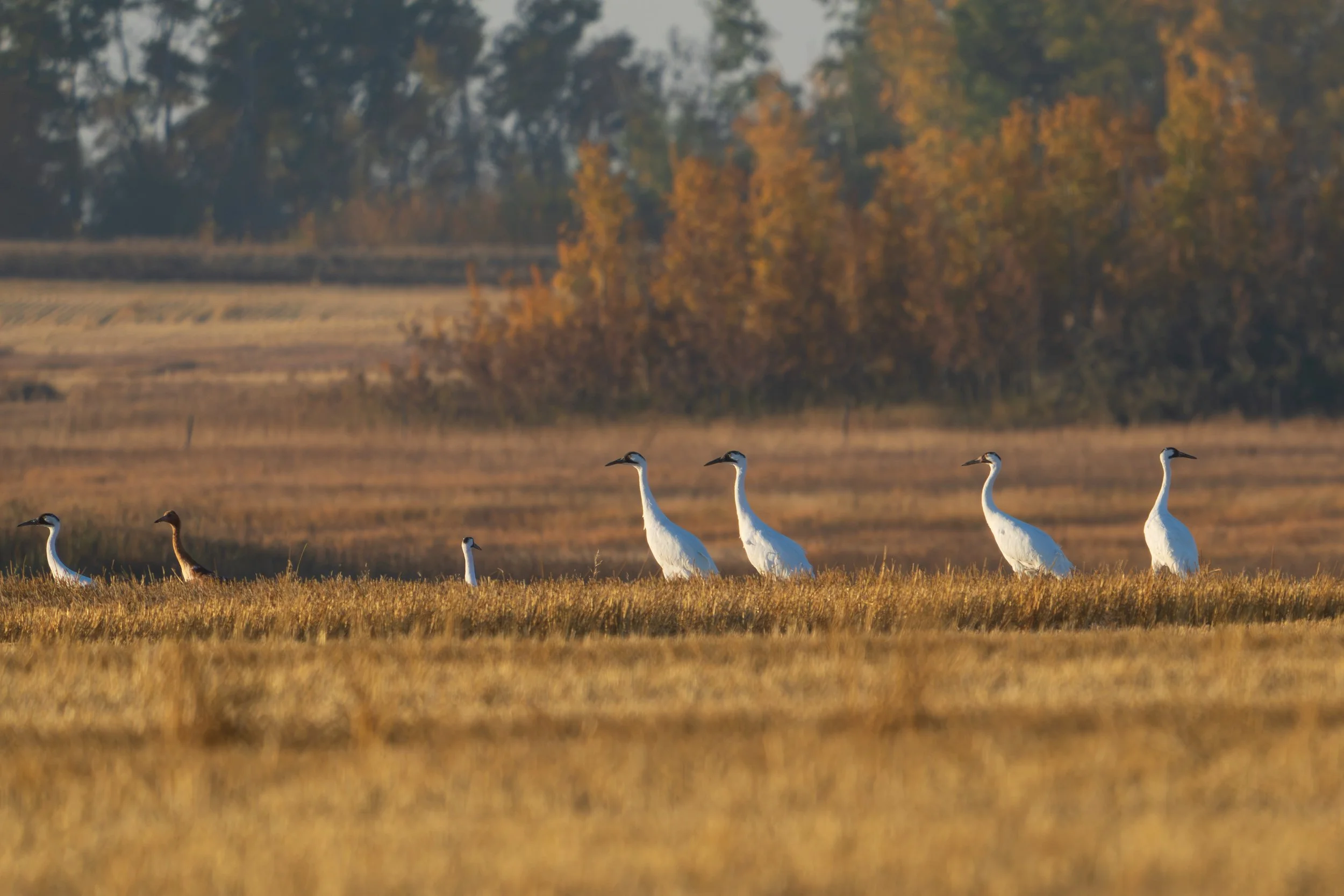
Whooping cranes north of Saskatoon
After studying their migration, I decided to take a road trip in the hopes of witnessing their journey south, and I managed to intercept and photograph a few dozen whooping cranes as they fueled up on crop residue north of Saskatoon. Given their story, this was a special experience — one that may never have been conceived had it not been for COVID.
